Photo by Zeyad Taha
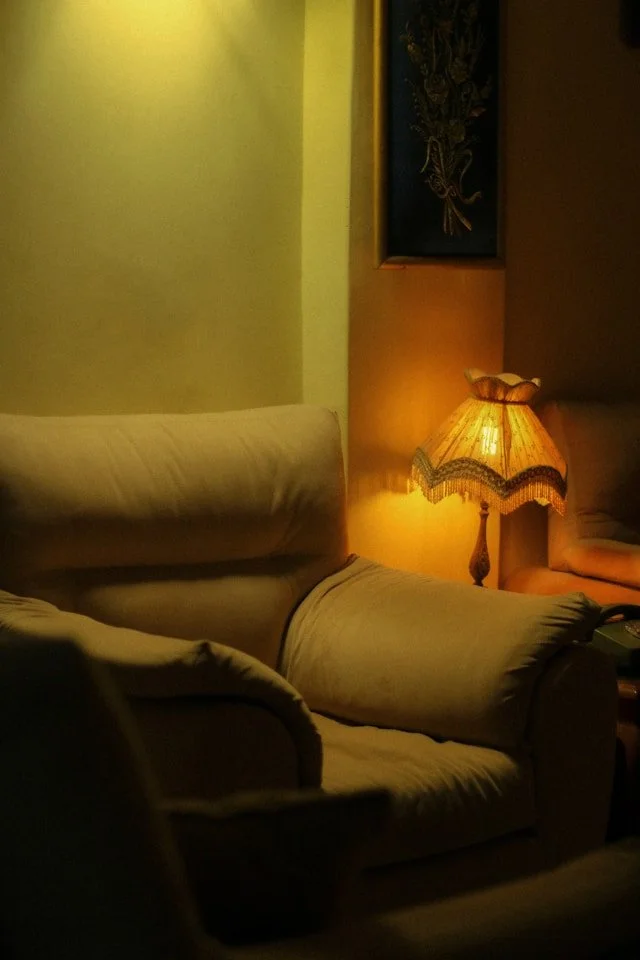
Five children and I sat looking at each other on the soft chairs of our guidance counselor’s lamp-lit office.
“Why are we here?” one of them asked.
You, the reader, might wonder the same.
In the last piece, I described how I nearly lost my temper during a lesson spoiled by disruptions and Jade’s unwelcomed suggestion … Try using your happy voice, Mr. Bandstra. That would help us not be so bored.
As if my teaching style was to blame for their poor choices. I felt at once both hurt and angry, but I decided to switch my lesson topic instead of retaliate.
Which begs the question: Why not use firmness when children disregard authority?
Let me be clear. A direct and unflinching response is appropriate when students show disrespect. But only if a teacher can offer that response from a place of relational safety.
My lesson—crafted with student needs in mind—had been sabotaged, and one of the children placed the fault with me. I felt unjustly accused, and therefore vulnerable.
If I had reacted to their rudeness in my vulnerable state, the fight-or-flight mechanisms would have escalated our struggle. I want to approach challenges with a posture of healing instead. Not retaliation. And for that approach to work, I needed space to reflect.
So, what insights emerged during my weekend away from school?
Mainly, negative classroom dynamics feed on conflict. And conflict thrives on the distorted notion that groups think as one.
That notion showed up in the way I addressed the class, rather than speaking with misbehaving individuals: Hang on guys, ... You are making noises, pulling faces, and acting like clowns ...
The group-think presumption also colored my impression of Jade’s remark. I read her comment as a group sentiment rather than just her own opinion.
Was it possible that other children, those less vocal and less bold, were still trying to learn? Yes. And not just possible, but likely. I couldn’t see those students at the moment because my sight and hearing had instinctively narrowed to focus on my perceived threat.
Considering this reality, I needed to address the mischief makers rather than the entire group.
So I asked our guidance counselor if she could lead the opening circle meeting in my classroom on Monday morning while I used her space to talk with five class members.
I wanted to meet with the students in her office because its cozy furnishings provided a nonthreatening context. But I also needed this space (away from the classroom) to signify that we had serious business to discuss. I didn’t want anyone taking our talk lightly.
“Last Friday was disappointing,” I began. “I knew that the content could feel challenging for some learners and monotonous for others, so I stayed late crafting an activity that I hoped would make the material both clear and interesting.
Instead of teaching, though, I spent most of the period managing behaviors. And now several of your classmates are more confused than when we started.”
I paused and looked at each person, inviting personal reflection and honesty.
Two said they were sorry, and two others quietly looked down. I expressed thanks; there was no need to belabor the point. We were ready to move on.
Only Jade looked back at me, her face unchanged.
“Jade,” I said, keeping my voice soft but direct. “I didn’t appreciate your comment about my teaching.”
For a second time, her boldness would almost knock me off balance.
I’ll return to my conversation with her in the next piece.
Names and identifying details have been changed to protect student privacy.
This essay continues a three-part exploration of classroom conflict and healing.